Background and experience
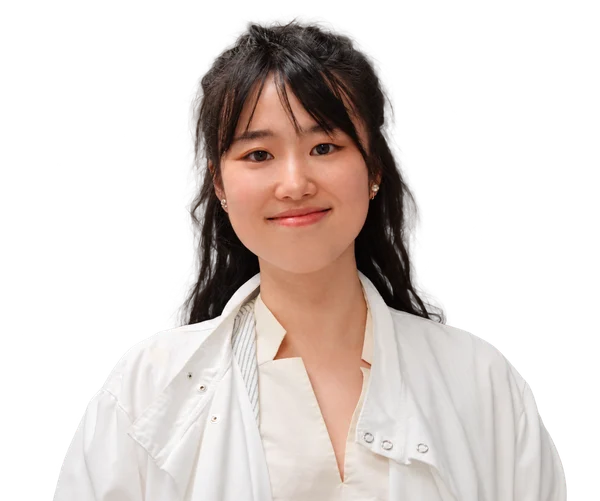
I am a PhD student in TVP lab at the University of Cambridge, where my research focuses on the mechanisms of brown adipose tissue dysfunction in obesity. I am driven by curiosity and a deep passion for biology, which have guided me through a broad and interdisciplinary scientific journey.
Over the years, I have been involved in research across diverse fields, including neuroscience, molecular and cellular immunology, autoimmune diseases, and nanotechnology in phytoremediation. Engaging with such varied areas has given me a broad foundation in biological science and strengthened my commitment to pursuing biomedical research.
Through my PhD, I aim to deepen my understanding of metabolism, contribute to uncovering new insights into health and disease, and grow as a scientist within a collaborative and challenging academic environment.
Current research interests
I believe that to truly understand life, we must approach it from the bottom up—beginning with how organisms generate and use energy. Life emerges from these fundamental processes, yet it extends beyond them: billions of cells organize and communicate to create the extraordinary complexity, intelligence, and adaptability of human beings.
My research interests lie in exploring these principles of energy metabolism and cellular organization, with the broader goal of understanding what makes life possible and how such knowledge can shape the future of science and medicine.